01
Use more of your solar
Store surplus generation for later use when there is a suitable technical and commercial case.

BATTERY STORAGE
Explore storage that works with your electricity use, existing solar and energy tariff.
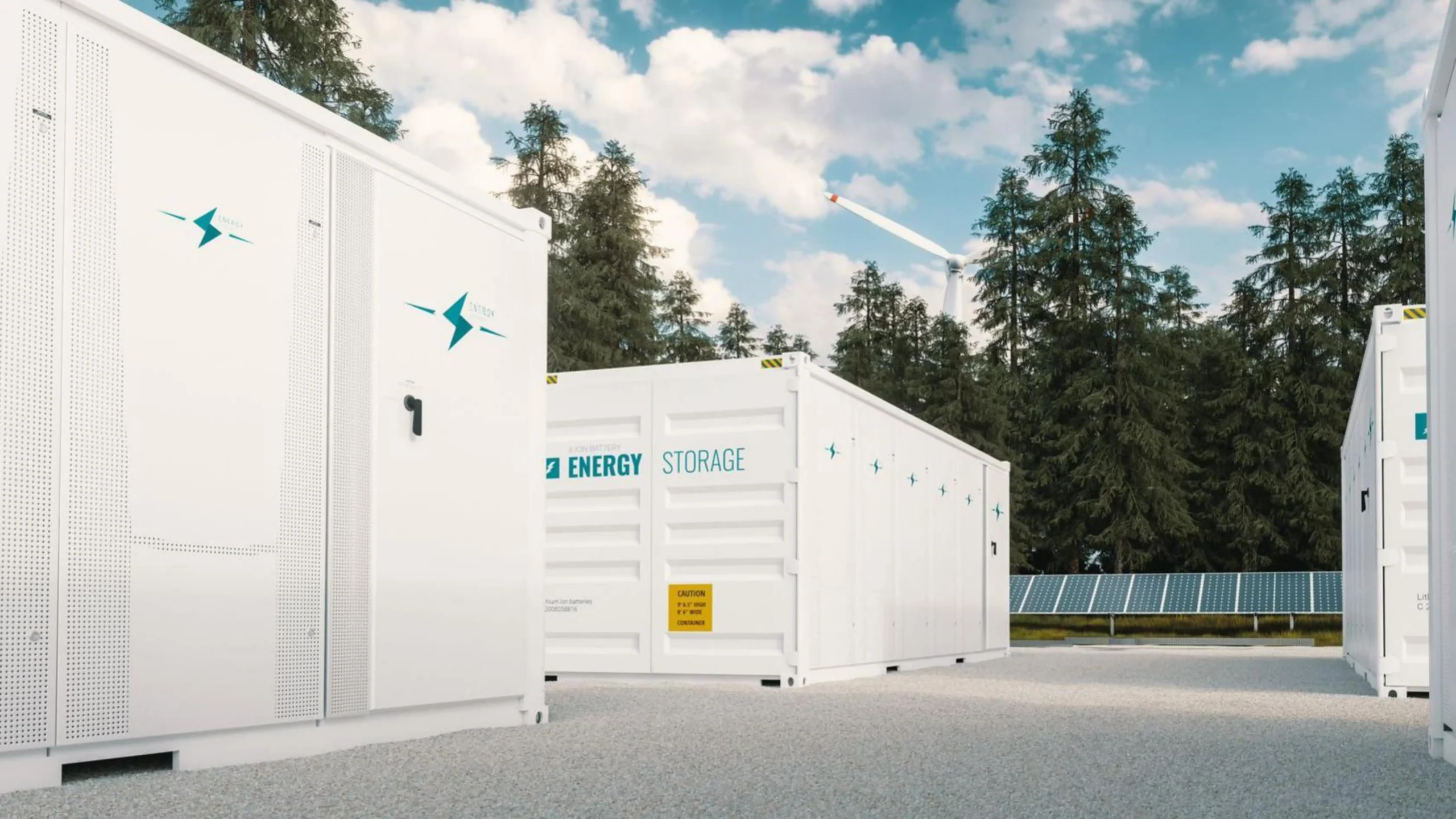
01
Store surplus generation for later use when there is a suitable technical and commercial case.
02
A suitable tariff and control strategy can help shift grid purchases away from more expensive periods.
03
Battery power, usable capacity, cycling, losses and operating costs should all be reflected in the proposal.
EXPLORE THE OPTIONS
START WITH YOUR SITE
A useful assessment starts with a few practical details.
Request an assessment
THE BUSINESS OPPORTUNITY
Your business cannot always choose when it needs electricity. Battery storage gives you more flexibility over when that electricity is bought or used. Whether you are making better use of solar or exploring a suitable time-of-use tariff, the starting point is a clear picture of the opportunity at your premises.
01
A battery can store surplus solar electricity for a later period of demand. The opportunity depends on the gap between generation and use, the value of export and the energy lost during charging and discharge.
02
With a suitable tariff, storage can shift purchases towards cheaper periods. The benefit needs to exceed storage losses and system costs; a battery does not create a saving simply by being installed.
03
Discuss production peaks, fleet charging and other future loads. A coordinated assessment can compare storage with changes to operating schedules, energy efficiency and other ways of meeting demand.
Battery capacity and battery power describe different things. Capacity, in kilowatt-hours, indicates how much energy can be stored; power, in kilowatts, indicates how quickly it can be charged or supplied. Both matter when matching a system to the equipment and operating pattern of your business.
Ask for a proposal showing usable capacity, expected cycling, warranty conditions, operating costs and the control strategy. Define who monitors performance and responds to faults. If business continuity is a priority, identify critical circuits and specify backup operation explicitly: ordinary grid-connected storage does not automatically provide power during an outage.
YOUR QUESTIONS
Not necessarily. Storage may also be assessed against a suitable electricity tariff. Enerbee can discuss which starting point fits your premises and objectives.
No. Bills contain different unit rates, standing charges and other components. Savings depend on which charges can actually change under your contract.
Only if the system is designed for the required backup loads and duration, with appropriate switching and protection. This must be specified and costed separately.
SolarStack focuses the conversation on making better use of solar. GreenBattery is the funded route to discuss if preserving capital is a priority.
LET’S TALK ENERGY
Let’s explore what solar and battery storage could do for your business.